
In the world of creators and influencers, Li Jin (a prominent investor in the creator economy) has revitalised the idea of “100 true fans”: you don’t need millions of followers — just a relatively small number of deeply engaged people to build a sustainable income.
In the sports context, this principle is particularly powerful: an athlete, coach, or niche sports influencer can transform 100 loyal fans into a meaningful sports‑income stream
Why “100 True Fans” Works for Athletes & Coaches
- Depth over breadth: Instead of chasing mass appeal, you focus on building strong, direct relationships with a core audience.
- High engagement: These true fans are more likely to pay for value — access, coaching, exclusive content — because they feel invested in you.
- Predictable revenue: With committed supporters, you can build recurring revenue (via subscriptions, memberships, or premium content) rather than relying solely on ads or sponsorships
The Creator Economy Is Booming — and So Is Opportunity
- The creator economy is now estimated to be around $250 billion, with projections pointing toward $480 billion by 2027.
- According to Uscreen, creators using subscription-based models earn on average $94,731/year, making recurring fan support one of the most lucrative paths.
- Yet, only a small fraction of creators have massive audiences: in a 2023 survey, just 1% of creators had more than 1 million followers.
- And yet, creators with smaller but devoted audiences can thrive: over 50% of creators with membership communities are already monetising them.
These numbers show that you don’t have to be a superstar to generate serious income. For athletes and coaches, this means your niche — training tips, behind-the-scenes stories, your personal journey — is a real business opportunity.
How Sports Influencers Can Monetise Their Niche
Here are actionable ways athletes, coaches, or sports creators can turn a small but engaged fan base into a sustainable income:
- Identify Your Core Audience
- Who are your “true fans”? Youth athletes, other coaches, local sports communities, parents?
- What do they care about? Training advice, injury recovery, mental game, behind‑the‑scenes content?
- Use polls, social media, or direct feedback to refine this segment.
- Who are your “true fans”? Youth athletes, other coaches, local sports communities, parents?
- Build Direct Relationships
- Use email newsletters or a private community (Discord, Slack, Telegram) to connect intimately.
- Offer content that feels personal: video breakdowns, Q&A sessions, live training calls.
- Encourage two-way interaction: let fans ask questions, submit challenges, or vote on what content they want next.
- Use email newsletters or a private community (Discord, Slack, Telegram) to connect intimately.
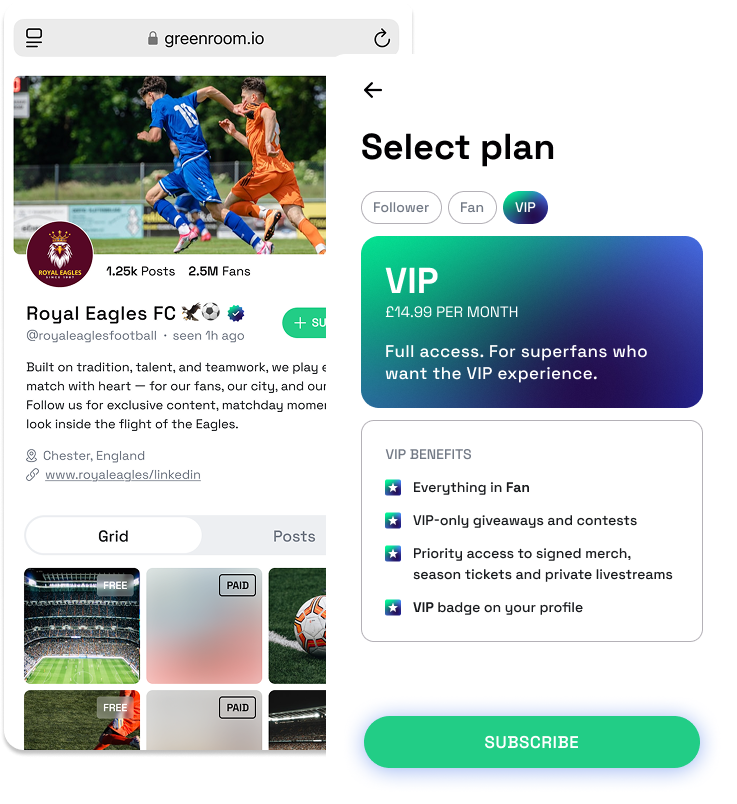
- Create Monetisation Tiers
Think in layers — not everyone will pay, but your top 10–20% might. Here are some examples:
- Free tier: Regular content (tips, Insta posts, short videos)
- Mid tier (subscription/membership): Training drills, monthly video lessons, digital downloads
- Premium tier (high-touch): 1:1 coaching, group training, exclusive live sessions, “insider” community
- Free tier: Regular content (tips, Insta posts, short videos)
- Offer Exclusive Access & Experiences
- Behind‑the‑scenes: share your training, pre‑competition routines, or “day in the life” videos.
- Live virtual events: run workout sessions, technique clinics, or strategy masterclasses.
- Merchandise or branded digital products: e‑books, video courses, workbooks, or signed goods.
- Behind‑the‑scenes: share your training, pre‑competition routines, or “day in the life” videos.
- Leverage Sponsorships and Partnerships
- Brands love authentic niche creators: if your 100 true fans are highly engaged, their value may outweigh a bland mass audience.
- Show potential sponsors the deeper engagement metrics: community size, retention, participation.
- Co-create content with brand partners, but keep creative control so that you don’t alienate your core base.
- Brands love authentic niche creators: if your 100 true fans are highly engaged, their value may outweigh a bland mass audience.
Real‑World & Hypothetical Examples
- Hypothetical — The Niche Basketball Coach:
Imagine a youth basketball coach who streams weekly breakdowns of advanced drills and mindset training. He builds a membership (say, $20/month) for 150 dedicated players and parents. That’s $3,000/month, or $36,000/year — enough to supplement a coaching salary. On top of that, he offers 1:1 mentorship for elite students (premium tier), and partners with a sports brand for sponsorships in his content. - Hypothetical — The Semi‑Pro Athlete:
A semi-pro soccer player shares his journey via social media: injury recovery, training, “how I study for games,” and life off-pitch. He builds a Patreon for 120 hardcore supporters at $10/month = $1,200/month. He also sells an annual membership for $120 that gives “insider” content, coaching Q&A, and even limited branded gear — turning passionate fans into paying supporters. - Parallel from Big Sport:
While not exactly 100-fan scale, we see similar models in major sports: top athletes use subscription platforms (or “superfans” tiers) to give behind-the-scenes access, workout programs, or exclusive content. This validates smaller creators: if megastars use it, niche creators absolutely can too.
Why This Model Resonates with Gen Z & Sports Fans
- Authenticity wins: Gen Z values genuine stories and personality. They want to connect with you, not just your highlight reel.
- Community matters: Building a tight-knit digital community fosters loyalty. Fans become invested in your journey, not just your performance.
- Ownership: By monetising directly, you own your revenue stream — no algorithm changes or brand deal uncertainty should dictate your path.
- Scalable & sustainable: Recurring revenue from subscriptions/memberships is more stable than one-off sponsorships or ad revenue.
Challenges — and How to Overcome Them
- Audience building: Starting with just 100 fans is hard. Use free content, guest appearances, and partnerships to grow your base.
- Time management: Producing content + training + coaching leaves little bandwidth. Automate workflows or batch-create content.
- Value delivery: Your subscribers expect real value. Be consistent and transparent about what they get.
- Retention: Keep your community engaged with regular interaction, new content, and opportunities for feedback.
Final Thoughts
In the evolving creator economy, athletes and coaches no longer need massive followings to monetise. By adapting Li Jin’s “100 true fans” philosophy and focusing on deep relationships, niche sports creators can build real, sustainable revenue streams. Through thoughtful tiers, meaningful content, and community-first thinking, even a small but devoted audience can become a powerful source of income.
The power lies not in the size of your audience — but in how much they believe in you.